
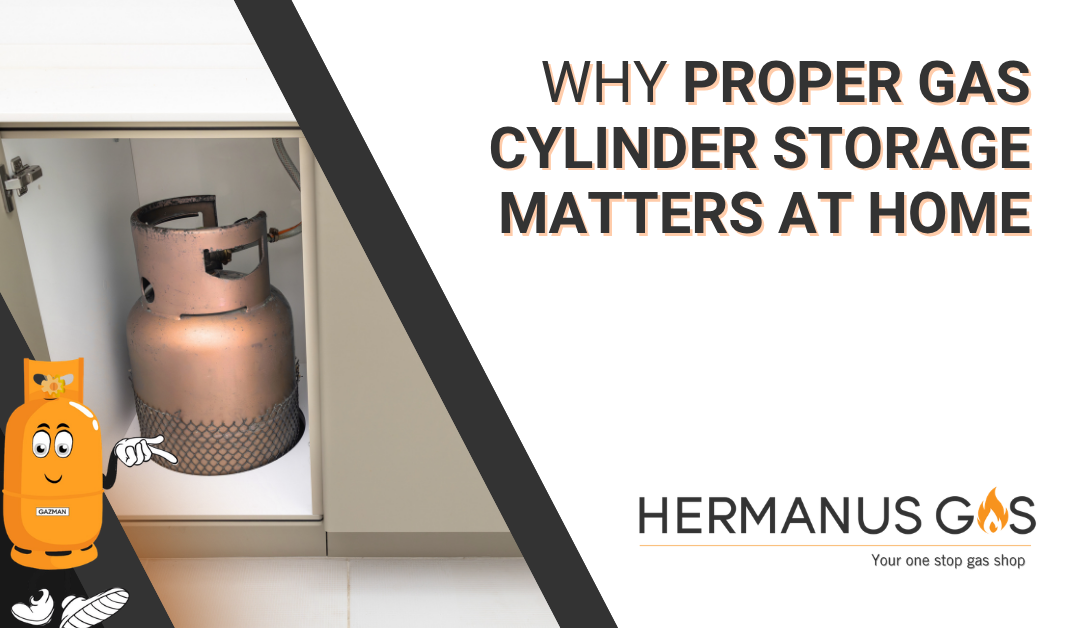
Gas is a convenient and efficient energy source for many South African homes. Whether you use LPG for cooking, heating or other appliances, safe storage is an important part of using gas responsibly.
A gas cylinder isn’t something that should simply be placed wherever there is space. Where and how it is stored can make a significant difference to household safety.
Why Does Gas Cylinder Storage Matter?
LPG is stored under pressure, so cylinders need to be kept in suitable conditions to reduce the risk of damage, leaks or other hazards.
Proper storage also helps ensure that your gas equipment remains accessible for inspection and that cylinders can be handled safely when they need to be replaced or refilled.
1. Keep Cylinders Upright
Gas cylinders should generally be stored upright and secured so they cannot easily fall over.
Keeping a cylinder stable helps prevent damage to the valve and makes it less likely that the cylinder will be knocked over accidentally.
A cylinder should also be positioned so that the valve and connections aren’t placed under unnecessary strain.
2. Choose a Well-Ventilated Location
LPG should be stored in a well-ventilated area.
If gas escapes, it can accumulate in enclosed or poorly ventilated spaces. LPG is heavier than air, meaning leaked gas can collect in low-lying areas.
For this reason, cylinders should not simply be stored in enclosed cupboards, basements or other poorly ventilated areas.
3. Keep Cylinders Away from Heat and Ignition Sources
Gas cylinders should be kept away from sources of excessive heat and potential ignition.
This includes things such as:
- Open flames
- Barbecues
- Heaters
- Electrical equipment that could create sparks
- Direct sources of intense heat
Choosing an appropriate location helps reduce the potential risk if a leak occurs.
4. Don’t Store Items Around the Cylinder
It can be tempting to use the space around a gas cylinder for storage, but keeping the area clear is important.
A clear space makes it easier to inspect the cylinder, identify potential problems and access the cylinder quickly if necessary.
Avoid placing combustible materials or clutter around the cylinder.
5. Check the Cylinder and Connections
Safe storage isn’t only about where the cylinder sits. It’s also important to regularly check the cylinder, valve, regulator and connections for signs of damage or deterioration.
If you notice a damaged cylinder, unusual smell or suspected gas leak, don’t attempt to repair the equipment yourself. Move away from the area and contact a qualified gas professional.
What About Gas Cylinders Inside the Home?
The safest storage arrangement depends on the type of installation and the applicable regulations.
Gas cylinders should not be placed in unsuitable enclosed spaces simply because they are convenient. Where a cylinder is installed indoors, the installation should comply with the relevant safety requirements and be carried out by an appropriately qualified professional.
If you’re unsure whether your current setup is safe, it’s better to have it inspected rather than assume everything is fine.
A Few Simple Habits Can Make a Difference
Safe gas storage doesn’t need to be complicated.
Remember the basics:
Keep it upright.
Keep it secure.
Keep it ventilated.
Keep it away from heat and ignition sources.
Keep the surrounding area clear.
Check your equipment regularly.
These simple precautions can help reduce unnecessary risks and keep LPG use safer around your home.
Safe Gas Starts with the Right Advice
At Hermanus Gas, we believe that using LPG safely starts with having the right equipment, installation and information.
Whether you’re considering a new gas installation, need advice about your existing setup or have questions about using LPG in your home, our team can help you understand your options.
Have questions about safe gas use at home? Contact Hermanus Gas for professional advice and reliable gas solutions.
